Paranormal Romance Fiction (Keep Them Coming)
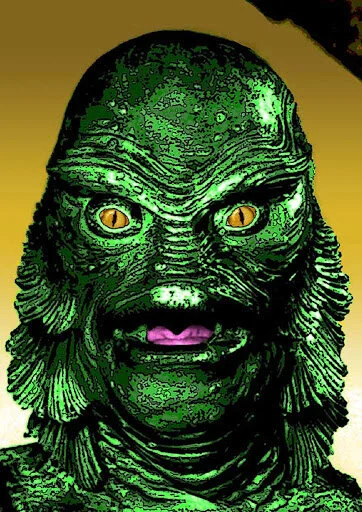
Over the past decades, there has been an increase in the literary genre many people call, Paranormal Romance. While this type of narrative is not new to the literary world (Dracula is probably the one most people think of when forced to free-associate Paranormal Romance), they have taken off with the growth of self-publishing. What I am talking about is not the woman, and or man, falls in love with foreign-good-looking-vampire but woman, and or man, in love with a non-human like a monster.
In the beginning, the seduction of a person by a monster was seen as evil. The monster typically tricked or manipulated the victim into becoming un-pure. This leads to the hero having to save the romantic lead and bring them back to civilization where love fits the norm. This was used as a metaphor for many issues in society, mostly as the enforcement of xenophobic beliefs. This is best shown in the early monster films of Hollywood. In them, namely the Creature of the Black Lagoon series, we see a “white woman” who must be saved from a creature that both look like us and doesn’t all at the same time. It may seem that I am looking too much into this but I am not. for a long period in horror, the monster was a blunt metaphor for the other in society (POC, different sexualities, political theories)
To make a long essay short, let us skip about 80 years into the future.
The Shape of Water, a movie about the love of a fish creature and a woman deeply in love, wins Best Picture at the Oscars. Several self-published novels about monster-human love have reached bestseller lists on many platforms. What happened to make a reversal of the love narrative so commercially successful?
While there are many theories on the rise of this cultural phenomenon, the main reason for this change in the norm of romance tales maybe society’s acceptance of those that are different than us. It is hard to see right now, with such racial and class tensions everywhere, but the media is changing. These works of art are proof.
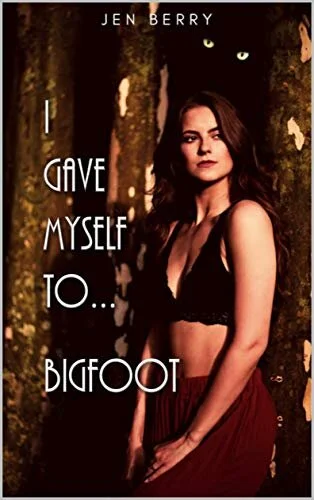
Which works you might say, let us go down a shortlist:
The Shape of Water (Movie, Creature of Love: Fish Man)
Feral Sins (Book, Creature of Love: Werewolf)
Soulless (Book, Creature of Love: Vampires, Ghosts, Werewolves)
Stone Guardian (Book, Creature of Love: Gargoyles)
Hellboy (Movies, Creature of Love: Demons)
I Gave Myself to Bigfoot (Book, Creature of Love: Bigfoot)
Our society is loving these works of art because there are vast populations of people who relate more to the monster than the traditional hero. Many populations felt what the monster has felt (trapped, hated, misunderstood, beaten, oppressed, and longing to be accepted by that same society that hurt it). There are fewer and fewer who relate and even want to see the traditionally-handsome hero save the princess from the monster.
Some might say, due to a belief that certain tropes are sacred to the institution, that this removing of the traditional hero (the handsome man saving the girl from the monster) is a sin that will destroy storytelling. A question to them is, does the princess even want to be saved from the monster?